Featured resources
Publication
The Natural Capital Accounts (NCA) for Forests covering the period 2016 to 2020
Technical Report
This report highlights the changes in animal populations, their use, and partial accounts for the...
Technical Report
The Rapid Environment Economic Assessment (REEA) model can be used to analyse government investment...
Latest resources
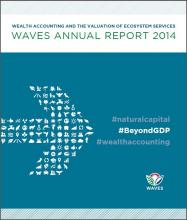
WAVES Annual Report 2014
This year’s report highlights the growing momentum at the country level of natural capital accounting in action.
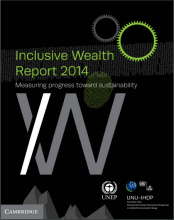
Inclusive Wealth Report 2014: Measuring Progress Toward Sustainability
The primary objective of the 2014 Inclusive Wealth Report (IWR 2014) is to provide quantitative information and analysis on long-term trends in global inclusive wealth (IW), and in doing so paint a picture of how nations are performing in their efforts to sustainably improve the well-being of their citizens.
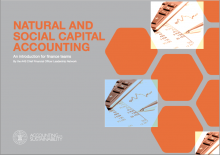
Natural and social capital accounting: an introduction for finance teams
This guide serves as an introduction for finance teams on how to align finance thinking with long term environmental and societal trends. It provides a framework to embed this into your decision making.
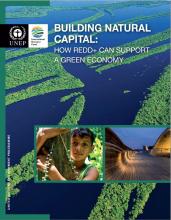
Building Natural Capital: How REDD+ Can Support a Green Economy
This latest report from the International Resource Panel, on the current status and future potential of REDD+, describes the many benefits of forests and other ecosystems as a way of demonstrating that forests have multiple values beyond carbon sequestration, and indeed are a foundation for sustainable societies.
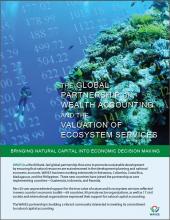
The Global Partnership on Wealth Accounting and the Valuation of Ecosystem Services
WAVES is a World Bank–led global partnership that aims to promote sustainable development by ensuring that natural resources are mainstreamed in the development planning and national economic accounts. WAVES has been working extensively in Botswana, Colombia, Costa Rica, Madagascar, and the Philippines. Three new countries have joined the partnership as core implementing countries—Guatemala, Indonesia, and Rwanda.
Guatemala: Frequently Asked Questions
Frequently Asked Questions about natural capital accounting work in Guatemala.